
Affordable Ammunition Without Compromising Quality: A Buyer’s Guide to Budget Rounds
Cheap ammunition isn’t a compromise in safety—it’s a practical way to keep training affordable without sacrificing reliability. By choosing budget-friendly rounds like steel-cased or remanufactured loads, you can practice more often, build sharper skills, and stretch every dollar further at the range. Smart shooting starts with knowing which inexpensive options work best for your firearm, so you can enjoy consistent performance without the financial sting.
How to Spot Genuine Value in Budget-Friendly Rounds Without Sacrificing Performance
Spotting genuine value in cheap ammunition starts with reading ballistics tables, not just price tags—compare muzzle velocity and energy against premium loads to ensure the budget round actually meets your performance baseline. Check bullet construction: a plated or jacketed round that holds together at your intended range beats a soft lead bullet that fragments prematurely. Buy a single box and run a 20-round accuracy ladder at your target distance; group size under 2 inches at 50 yards from a rested position signals acceptable consistency. Inspect case necks and primer seating—consistent crimp and uniform primers indicate quality control, while loose primers or dented casings warn of sloppy manufacturing. Sometimes the cheapest option is merely the first price you see, not the lowest cost per accurate hit. Finally, verify reliable feeding in your specific firearm across multiple magazines; a round that jams costs more in frustration than any savings. Trust chronograph data over marketing claims, and let your rifle’s point-of-impact shift at 100 yards be the final judge—if the budget round prints tight and cycles clean, you’ve found genuine value.
Key Differences Between Bargain Priced Cartridges and Premium Alternatives
The core distinction between bargain cartridges and premium alternatives lies in consistency and quality control. Budget rounds often use pulled or mixed-headstamp brass, which can lead to variable case capacity and pressure spikes. Premium ammunition employs new, uniform brass and stricter powder-charge tolerances, resulting in tighter velocity spreads and better accuracy. Bargain bullets frequently have thinner copper jackets, causing more fouling and potential keyholing at longer ranges. While premium options cost up to double, they offer reliable primer seating and consistent overall length, which matters for semi-automatic cycling. However, budget rounds remain suitable for close-range plinking or break-in sessions where precision is secondary. The biggest practical difference is repeatable performance, not raw speed or energy.
Q: Is it the bullet weight or the brass that causes the largest accuracy gap between cheap and premium rounds?
A: The brass is usually the larger factor, as inconsistent case volume alters pressure and bullet velocity from shot to shot, while bullet weight differences are typically minimal.
Why Bulk Purchasing Lowers Your Per-Round Cost More Than You Think
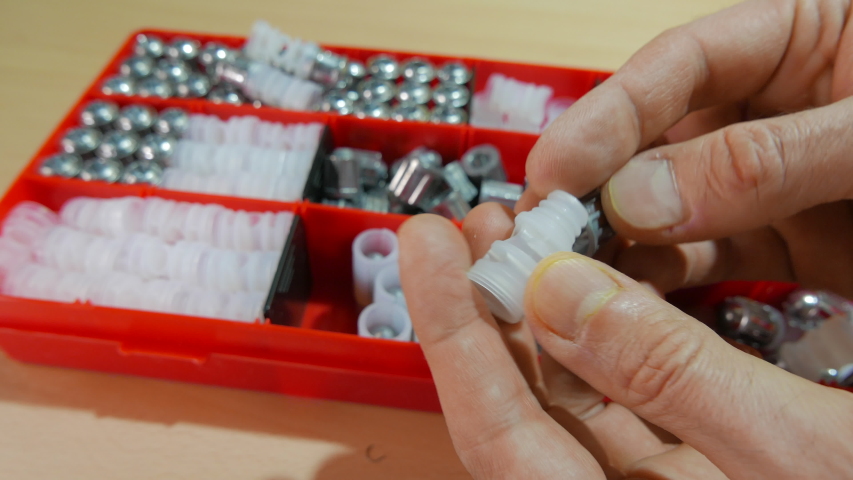
Bulk purchasing 5.7x28mm Ammo for Sale lowers your per-round cost more than you think because the price break isn’t linear—it’s exponential at the case-lot threshold. Buying 500 rounds instead of 50 often slashes cost per round by 15–30% immediately, but the hidden savings come from shipping: a single flat-rate fee for 1,000 rounds costs pennies per box versus dollars. Your effective per-round savings compound with every additional case, since you amortize not just the cartridge price but also the handling, packaging, and your own time spent reordering. A 1,000-round purchase can reduce your true cost per shot by nearly half when you factor in avoided retail markups and repeated delivery fees.
- Fixed shipping costs spread thinner across more rounds, cutting per-box overhead sharply.
- Case-lot discounts from budget brands often exceed 20% once you cross the 500-round threshold.
- Fewer orders mean less exposure to future price hikes, locking in today’s low rate.
What to Check Before Buying Discounted Ammo for Range Training
Before buying discounted ammo for range training, inspect the packaging for damage, corrosion, or water staining, as cheap ammunition often suffers from poor storage. Check the headstamp for consistent manufacturer and lot numbers; mixed lots indicate bulk repackaging, which can cause pressure or accuracy variations. Verify the cartridge case mouth is not crushed or the primer is not seated too deeply, as these are common flaws in budget rounds. For reloads, confirm the brass 7.62×39 Ammo for Sale has been resized properly and that the projectile is seated without excessive crimp.
A failure to function, like a squib load or a jam, costs more in range time and firearm wear than you save per box.
Finally, cross-reference the advertised velocity with the bullet weight; suspiciously low specs for the price signal underpowered powder charges that may not cycle your slide reliably.
Reading the Box: Decoding Bullet Weight, Velocity, and Casing Materials
Before trusting a bargain box, read the label like a spec sheet. Heavier bullets, like 147-grain 9mm, often cycle more reliably in suppressed or competition pistols, while lighter loads produce flatter trajectories but snappier recoil. Check velocity claims—if a “cheap” round lists a wildly inconsistent FPS, expect point-of-impact shifts. Casing material matters more than you think: brass resizes smoothly for reloaders, while steel or aluminum cases save money upfront but can wear extractors and often ban you from indoor ranges. Prioritize consistent bullet weight matching your zero over sheer savings. Q: **How does casing material affect discounted ammo value?** Steel cases trim cost but sacrifice reloadability and extraction reliability, making brass the smarter pick for serious training sessions.
How to Verify Consistent Primer Ignition in Economical Loads
To verify consistent primer ignition in economical loads, start by firing a controlled string of ten rounds, watching for any delayed “hang-fire” or weak report that signals incomplete burn. Check your spent cases immediately: a uniform, flattened primer with a solid firing pin indent across all samples confirms reliable strike transfer. For cheap ammunition, shake each cartridge before loading—loose primers rattle audibly and should be rejected. Also, test multiple lots from the same box at different temperatures, as budget primers often use less sensitive compounds that falter in cold conditions. If you see even one misfire, archive that lot and move to another brand.
Consistent primer ignition in economical loads depends on this simple ritual: shoot, inspect, repeat. Do not rely on visual ammunition inspection alone; primers can appear seated correctly yet fail under pressure.
How do you test primer reliability without wasting expensive equipment? Use a revolver or bolt-action rifle, where a light strike is easier to diagnose, and fire fifty rounds slowly, noting every ignition delay. Compare spent primer cups against a known-good batch—any cratering, 7.62x54R Ammo for Sale piercing, or off-center hits signals poor tolerance in cheap production lines.
Best Calibers Where You Can Safely Cut Costs on Practice Ammunition
For shooters seeking cheap ammunition without sacrificing skill development, 9mm Luger stands out as the undisputed king of cost-effective practice. Its massive production volume keeps prices per round consistently low, while recoil remains manageable for high-volume drills. Similarly, .22 LR offers the absolute lowest cost per trigger pull, making it ideal for flawless fundamentals and sight alignment work without burning through your budget. When centering on best calibers where you can safely cut costs on practice ammunition, also consider .223 Remington/5.56 NATO—surplus and bulk offerings often dip below .40 cents per round, letting you train on an AR platform affordably. These three calibers let you maintain realistic muscle memory and trigger control while saving substantially, because their popularity ensures endless supply of budget-friendly loads that still function reliably in modern firearms. Choose them, and your wallet stays safe without compromising your shooting proficiency.
9mm vs .22 LR vs .223 Remington: Which Cheap Option Delivers the Most Shots Per Dollar
The clearest winner for shots per dollar in 9mm vs .22 LR vs .223 Remington is .22 LR, often costing half as much per round as 9mm and a third of .223, allowing several hundred extra trigger pulls per $50 brick. 9mm offers the best balance of economy and defensive relevance, with bulk boxes frequently delivering 50–100 more rounds than .223 for the same cash. .223 Remington is the priciest, so its value appears only if you already own a rifle and prioritize recoil-mimicking training. *A .22 LR conversion kit for your 9mm pistol or AR-15 can multiply practice volume without sacrificing your primary platform’s ergonomics.* For pure repetition, .22 LR dominates; for practical skill transfer, 9mm edges out .223 on cost-per-box.
Understanding the Trade-Offs of Steel-Cased vs Brass-Cased Budget Rounds
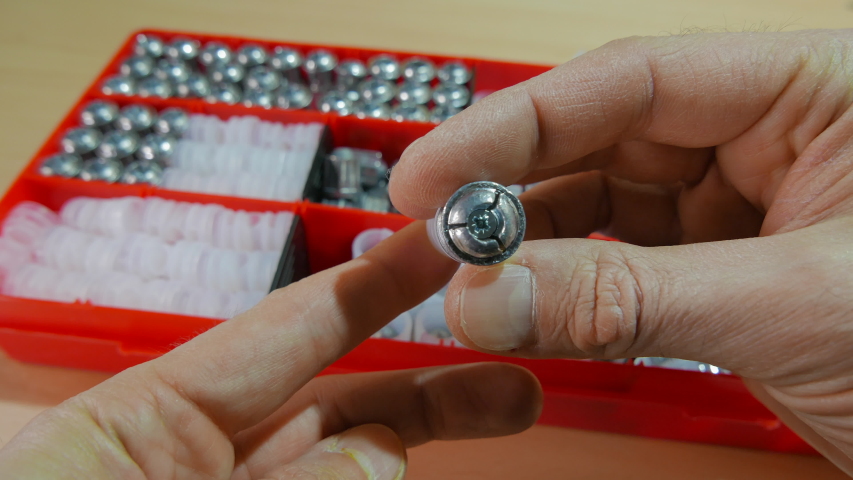
Steel cases save significant money upfront, but you trade that for reloadability—steel rarely survives to be reloaded, while brass offers multiple firings. Brass also expands and seals against the chamber more reliably, reducing blowback and keeping your firearm cleaner. Steel’s lacquer or polymer coating can stick in hot chambers, especially during rapid fire. For plinking and drills under 50 yards, steel is a killer bargain; for precision work or long sessions, brass maintains consistent pressure and eases extraction. The real cost gap appears when you factor in resale value of scrap brass. Balancing savings against firearm wear and reloading potential defines this choice.
- Steel costs 20–30% less but accelerates extractor and chamber wear.
- Brass supports handloading, dropping per-round costs dramatically over time.
- Steel can misfeed in tight match chambers; brass feeds smoother.
- Brass mitigates stuck-case issues during fast shooting strings.
Reloading Your Own: The Ultimate Way to Get Rock-Bottom Prices Per Round
For shooters chasing cheap ammunition, reloading your own is the ultimate lever to drag per-round costs below even the best bulk deals. Factory ammo prices include labor, packaging, and 5.56 Ammo for Sale profit margins; your handloads strip all that away. Once you own brass, the only recurring buys are primers, powder, and bullets—bought in bulk, these components slash your cost per trigger pull dramatically. Switching to cast lead bullets for plinking can cut projectile costs by over half, making your reloaded rounds rival the price of rimfire. While startup gear costs money, every hundred cartridges you produce returns that investment, pushing your effective price per round down to rock-bottom levels that no commercial sale can touch. The result is more trigger time for the same cash, purely from your own bench work.
Simple Steps to Lower Your Cost Per Shot with Reloaded Cartridges
To lower your cost per shot with reloaded cartridges, start by buying components in bulk, focusing on primers and powder, where volume discounts are steepest. Reclaim and reuse spent brass multiple times, as the case represents your highest recurring expense after the first loading. Select a single, common bullet weight for your primary firearm to standardize your powder charge and reduce waste from load development. Additionally, track your per-round cost on a simple spreadsheet, which forces you to identify areas where you can trim spending. Finally, buy lead bullets instead of jacketed ones when accuracy demands are modest, as this dramatically reduces projectile cost.
- Source used brass from range pickups to eliminate case costs entirely.
- Use a powder trickler to avoid overcharging, which wastes precious propellant.
- Resize and trim cases in one 7mm PRC Ammo for Sale session to minimize equipment wear and time.
Hardware You Need to Start Making Affordable Ammo at Home
To begin reloading for maximum savings, your essential reloading hardware for cheap ammo starts with a single-stage press (like the Lee Challenger) for precision, plus a turret or progressive press (e.g., Dillon RL550) if you seek higher volume. You also need a carbide die set matched to your caliber—carbide eliminates case lubrication for pistol rounds, cutting time and cost. A digital powder scale (0.1-grain accuracy) and a powder measure ensure consistent charges, while a hand-held priming tool offers better feel than press-mounted primers. Case preparation gear—a .17 HMR Ammo for Sale trimmer, chamfer/deburring tool, and calipers—prevents failures. *A tumbler with stainless steel pins is optional but dramatically extends case life, directly lowering per-round costs.* Finally, invest in a reloading manual or app; the hardware is useless without load data for your specific powder and bullet.
Core hardware—press, dies, scale, and 7.62×51 Ammo for Sale case prep tools—forms the entire upfront investment, replacing factory markup with permanent per-round savings.
Proper Storage and Handling Tips to Extend the Shelf Life of Low-Cost Cartridges
To get the most out of cheap ammo, treat it like a slightly fussy friend—keep it cool, dark, and dry. A cheap metal can or a sealed plastic ammo box with a desiccant pack beats leaving rounds loose in a garage drawer, where humidity wreaks havoc on primers and cases. Before storage, wipe off any factory grease or grime with a dry cloth; that residue can harden and cause feeding issues later. Rotate your stock, shooting the oldest boxes first, because even budget cartridges degrade slowly over years. Never store them in direct sunlight or near a heat source, as temperature swings cause condensation inside the box. Handle each round by the case, not the bullet tip, to avoid denting the projectile or loosening the .17 WSM Ammo for Sale crimp. When loading mags, press straight down instead of tilting rounds, which can scratch the coating. Ironically, the cheapest rounds often need the most careful handling because their thinner lacquer and softer brass have less margin for error. A quick monthly check for corrosion or green fuzz on the primer is worth the two minutes.
How to Keep Bargain Bullets Moisture-Free and Corrosion-Resistant
Cheap cartridges often skimp on lacquer and sealants, so your first line of defense is a sealed ammo can with a desiccant pack, not the original cardboard box. Before sealing, wipe down each round with a silicone-impregnated cloth to displace moisture and leave a microscopic rust barrier. For long-term storage, toss in a humidity indicator card and rotate your stock annually, as even bargain bullets fail when condensation forms. Reusing desiccant packs by oven-drying them is a cost-effective trick that keeps your budget stash viable. Above all, avoid basements and garages where temperature swings cause sweating inside the can. Moisture-free bargain bullet storage hinges on this airtight, dry routine.
**Q: specialty sports & supply How to Keep Bargain Bullets Moisture-Free and Corrosion-Resistant without buying expensive gear?**
A: Vacuum-seal the ammo in heavy-duty Mylar bags with a silica gel packet, then place those bags inside a standard plastic ammo box—this traps dryness even if the outer container gets bumped or slightly dented.
Rotating Your Stock: Why Older Discounted Rounds Perform Just Fine
Rotating your stock is the smartest way to make cheap ammunition work harder, and **older discounted rounds perform just fine** when stored properly. Instead of hoarding one lot, shoot the oldest boxes first, replacing them with fresh clearance finds. This keeps your carry or training ammo from sitting for years, where humidity and temperature swings can degrade primers or powder. A discounted round that’s been kept dry and cool will shoot as reliably as a new one, simply because rotation prevents long-term exposure. The key is simple forward motion: buy cheap, shoot old, restock with new clearance deals.
- Date your boxes with a marker to know which to burn through first.
- Keep a dedicated “shoot soon” shelf for older discounted rounds.
- Verify function with a few rounds before trusting older stock for defensive use.
- Rotate every 3–6 months to match your range trips, not the calendar.
Common Accuracy and Feeding Problems with Inexpensive Rounds—and How to Fix Them
Cheap ammunition often sacrifices case mouth uniformity and projectile consistency, which directly causes fliers and keyholing at distance. Feeding failures, like nosedives or stovepipes, stem from rough extractor grooves, burred rims, or weak primer pockets that alter the cartridge’s OAL under recoil. To fix accuracy, sort rounds by headstamp and bullet weight, then gauge them with a case comparator to identify over-long or out-of-round noses—those are your fliers. For feeding, polish the feed ramp and magazine lips, and run a light taper crimp to prevent bullet setback during chambering. Also, manually cycle a full mag to find tight chambers; if rounds stick, resize only the neck with a Lee collet die, since cheap brass is often thicker.
Retesting batches by lot number—rather than mixing boxes—will reveal that only 10–20% of cheap rounds are consistent enough for precision work.
Why Dirtier Powder in Cheap Loads Can Affect Your Gun’s Cycling
Cheap loads often skimp on powder quality, leaving behind extra carbon and unburnt residue after each shot. That gunk builds up fast in your bolt face, chamber, and gas port, which directly slows down how your gun cycles. A dirty action means the bolt doesn’t glide as smoothly, and eventually it short-strokes or fails to eject entirely. Dirtier powder in cheap loads also clogs the extractor groove, so the case can’t slip out cleanly. Here’s the typical chain:
- Residue cakes the gas tube, reducing pressure that drives the bolt back.
- Carbon hardens on the feed ramp, causing rounds to hang up mid-feed.
- Fouling in the chamber makes spent cases stick, stalling the next cycle.
You don’t need a full strip-down every range trip, but a quick bore snake and a few drops of lube on the rails can keep a budget gun running between cleanings. If you’re shooting dirty ammo, clean more often than you think—it’s the cheapest fix for cycling headaches.
Cleaning Hacks to Prevent Misfires and Jams After Shooting Budget Ammo
Budget ammunition leaves more carbon, copper, and primer residue behind, which quickly turns into sticky bolt lift and failure-to-feed malfunctions. The first cleaning hack is to run a bore snake saturated with solvent through the chamber and barrel immediately after your range session; this prevents baked-on fouling that Ammo Cans & Storage for Sale causes misfires. Next, use a nylon brush on the bolt face and extractor claw, since abrasive grit here stops reliable ejection. For magazines, wipe feed lips with a dry cloth—never oil them, as that attracts powder dust. Finally, apply a thin coat of grease to the rails only, because excess lubricant collects unburned granules and induces jams. These targeted steps keep inexpensive rounds cycling reliably.